DIY Cookbook

I’m an ambivalent cook, and not a very intuitive one. So when I come across a good recipe, I hold onto it for dear life. Over the years, I’ve collected a hodgepodge of scribbled sticky notes and magazine tear sheets with favorite recipes.
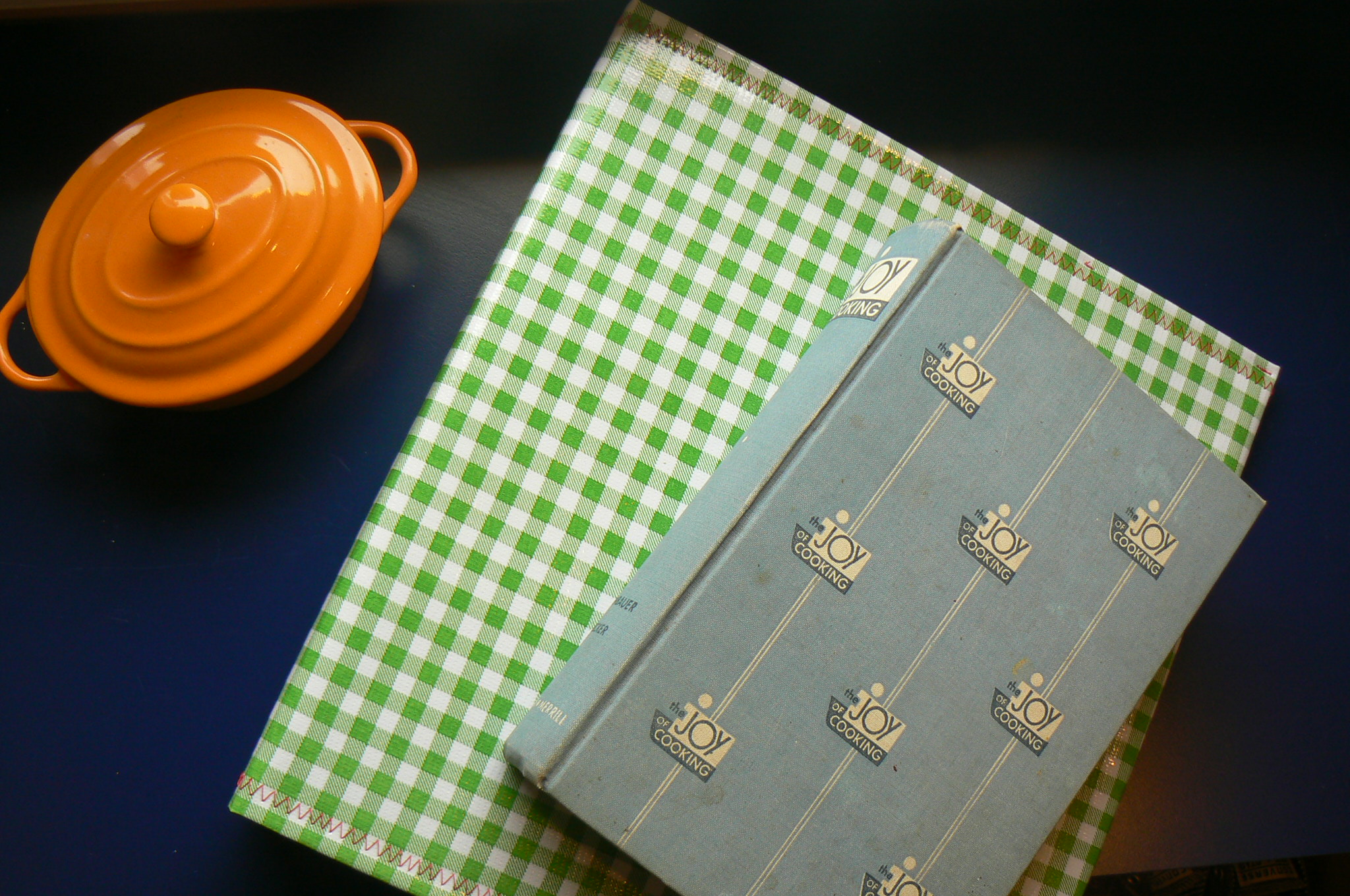
The mess needed a home. So, I ordered a Rebinder (which is a binder made from recycled corrugated cardboard) and a box of sheet protectors for my recipes. The Rebinder was terrific, but not so great at repelling cooking drips & spills.

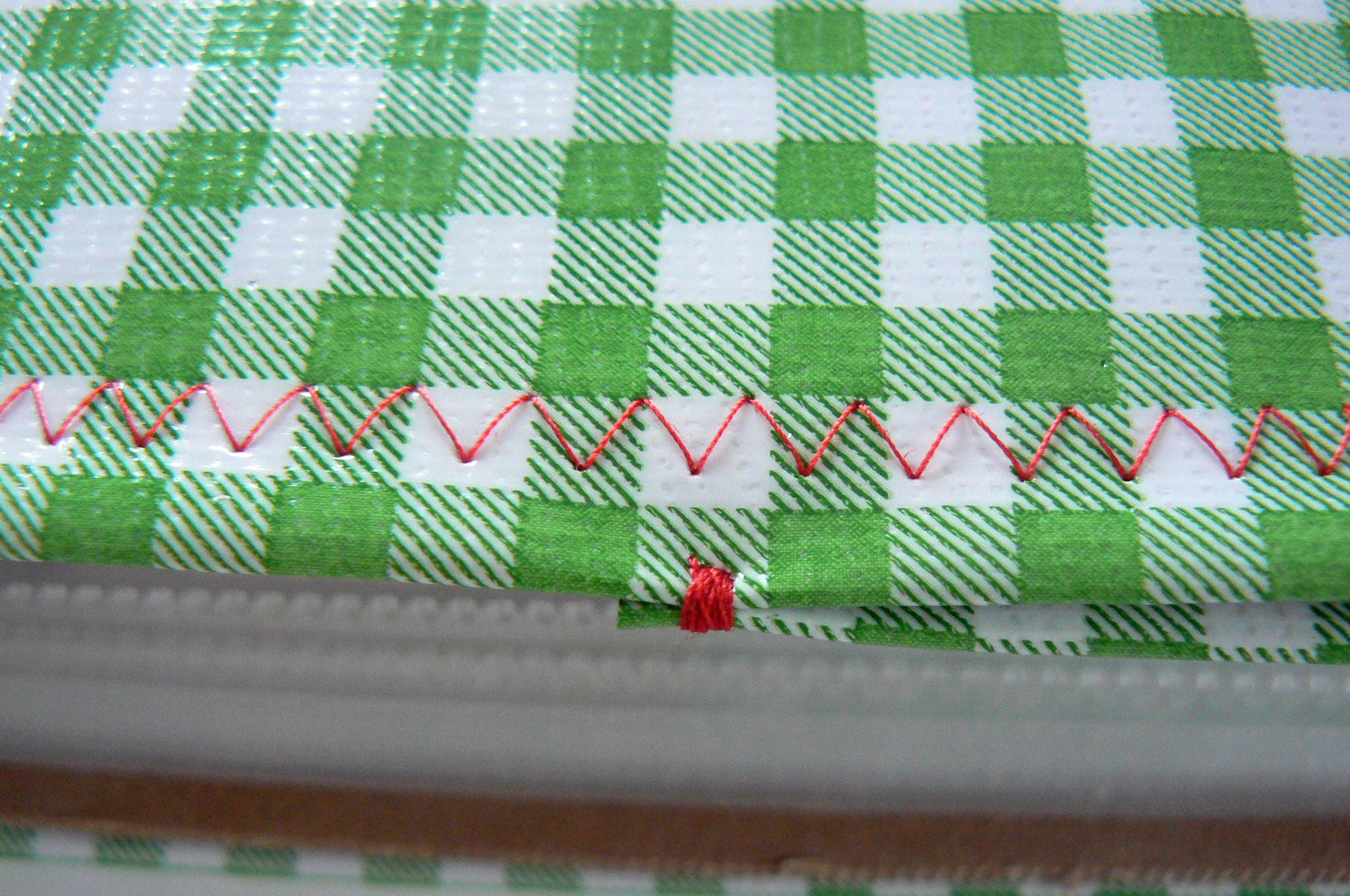
I bought a yard of green gingham oil cloth, and relying on my ancient memories of covering books in high school, I winged it. Here are my step-by-step instructions for making an oilcloth cover, written after the fact. I’m pleased with the results. I sewed the last steps while the cover was actually on the binder–it’s sewed on forever–which might be why it doesn’t buckle & lies nice and flat.

Paper Rollercosters

This paper craft for kids comes straight from one of my favorite museums: the Peabody Essex in Salem, Mass. Yes, it has an amazing Asian art and Maritime art collection (including a room-size model of the S.S. Queen Elizabeth, which never fails to impress us). But sometimes we go just to hang out in the sunny atrium designed by architect Moshe Safdie, admire the sky, and pretend it’s not 4 degrees outside.

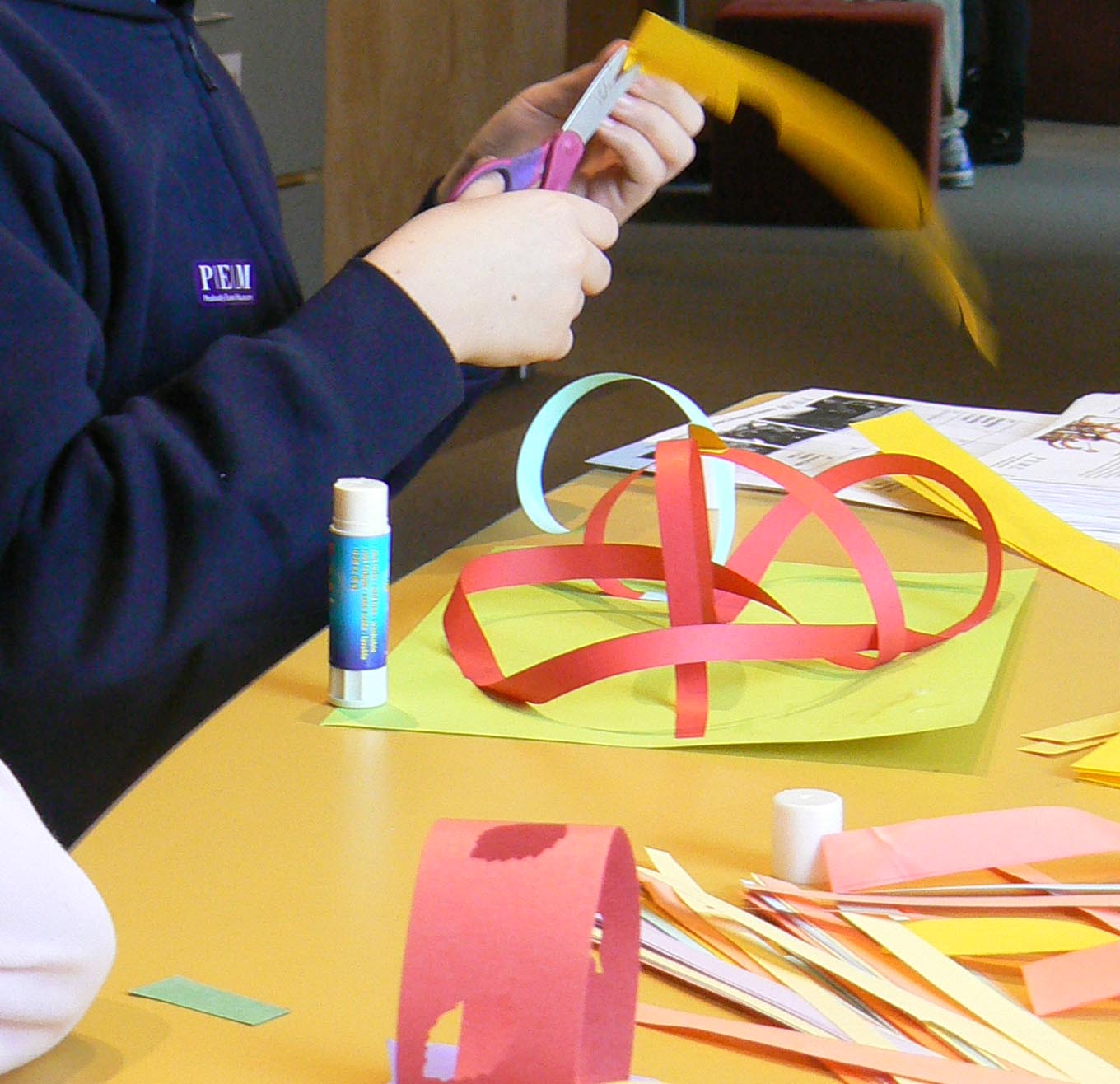
The paper rollercoaster craft (offered as part of the PEM’s “Eye Spy, Playing with Perception” exhibit through May) had the qualities of a good kids’ project: simple enough for little guys to enjoy and interesting enough to engage bigger kids. Plus you probably have all the stuff you need right in your house: glue sticks, strips of colored paper, and a piece of paper for a base.

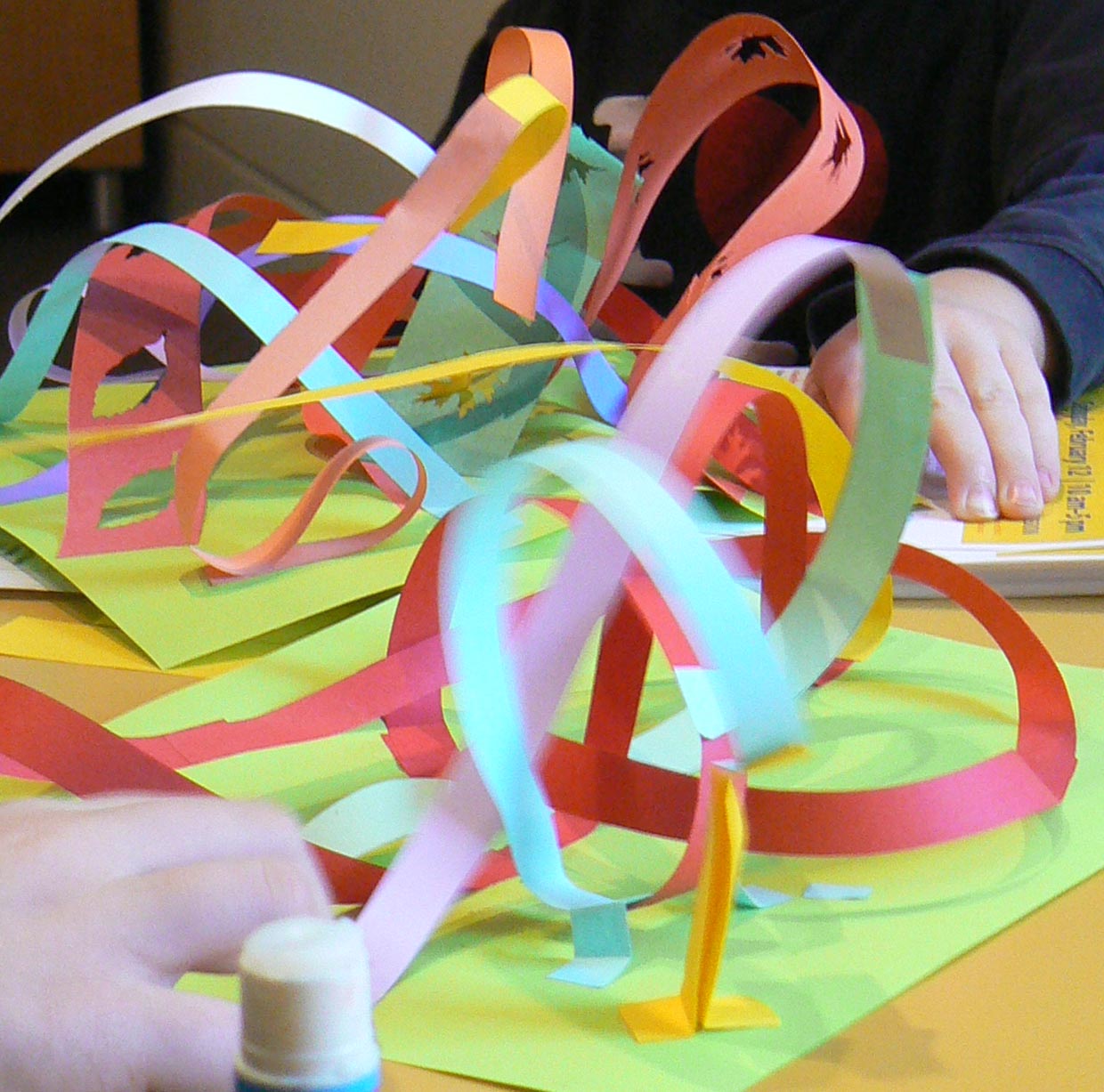
Dab one end of a paper strip and press to the base. Twist, bend, or loop–then glue the other end and press. 

    My 10-year-old made his rollercoaster a continuous circuit. My five-year-old’s design defied the laws of physics, but he thought it looked really cool.


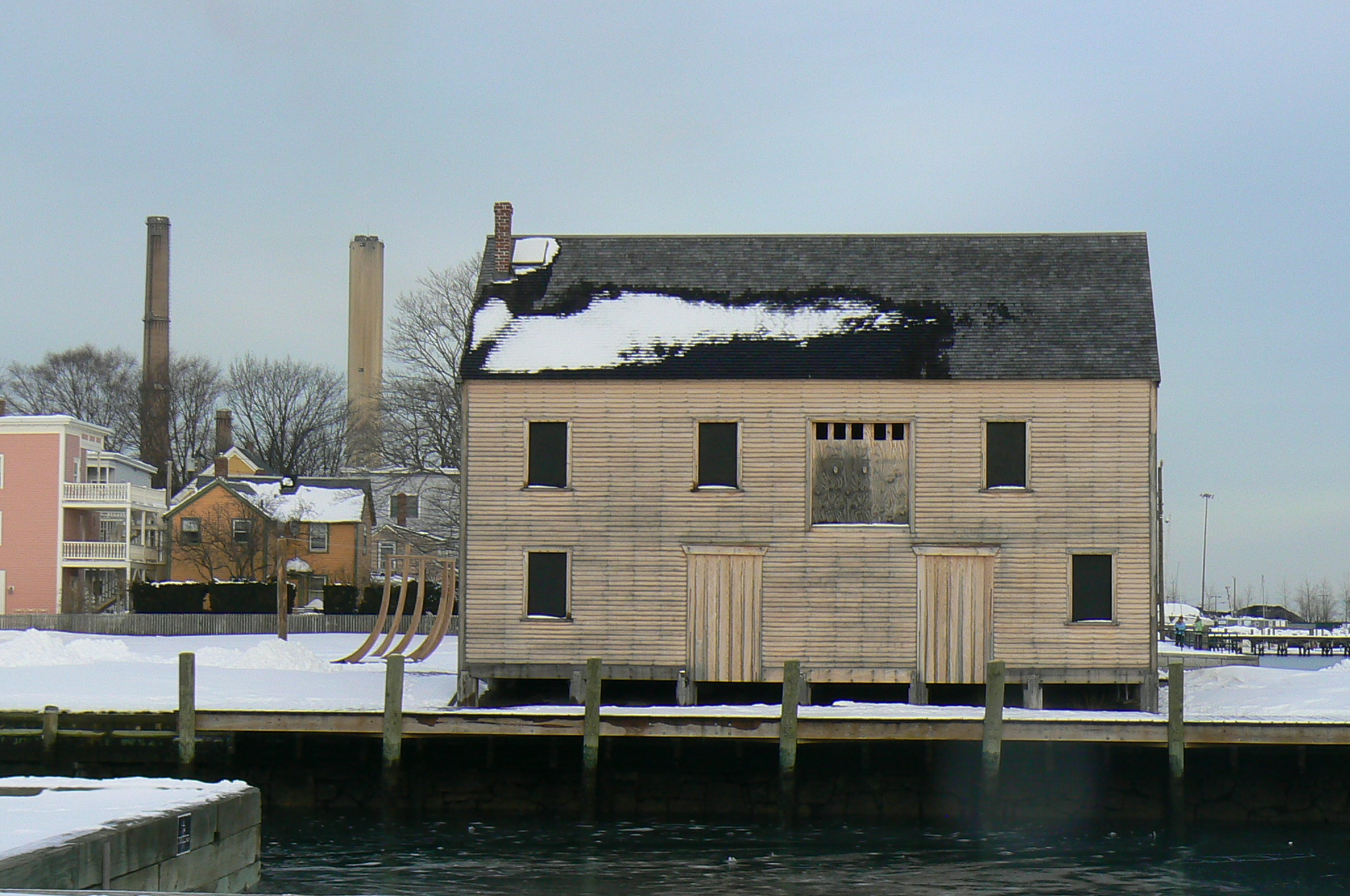
 On the way home, we drove by the Salem harbor,

 and it was winter again.

Darling Clementine, Part 1

With winter, come clementines.  With clementines, come crates–those somewhat sturdy, little boxes, so handy for stashing screwdrivers and stowing socks. They are perfect as they are, but this year, I’m dreaming up new incarnations for them. So consider this Part 1 of the Darling Clementine Project.

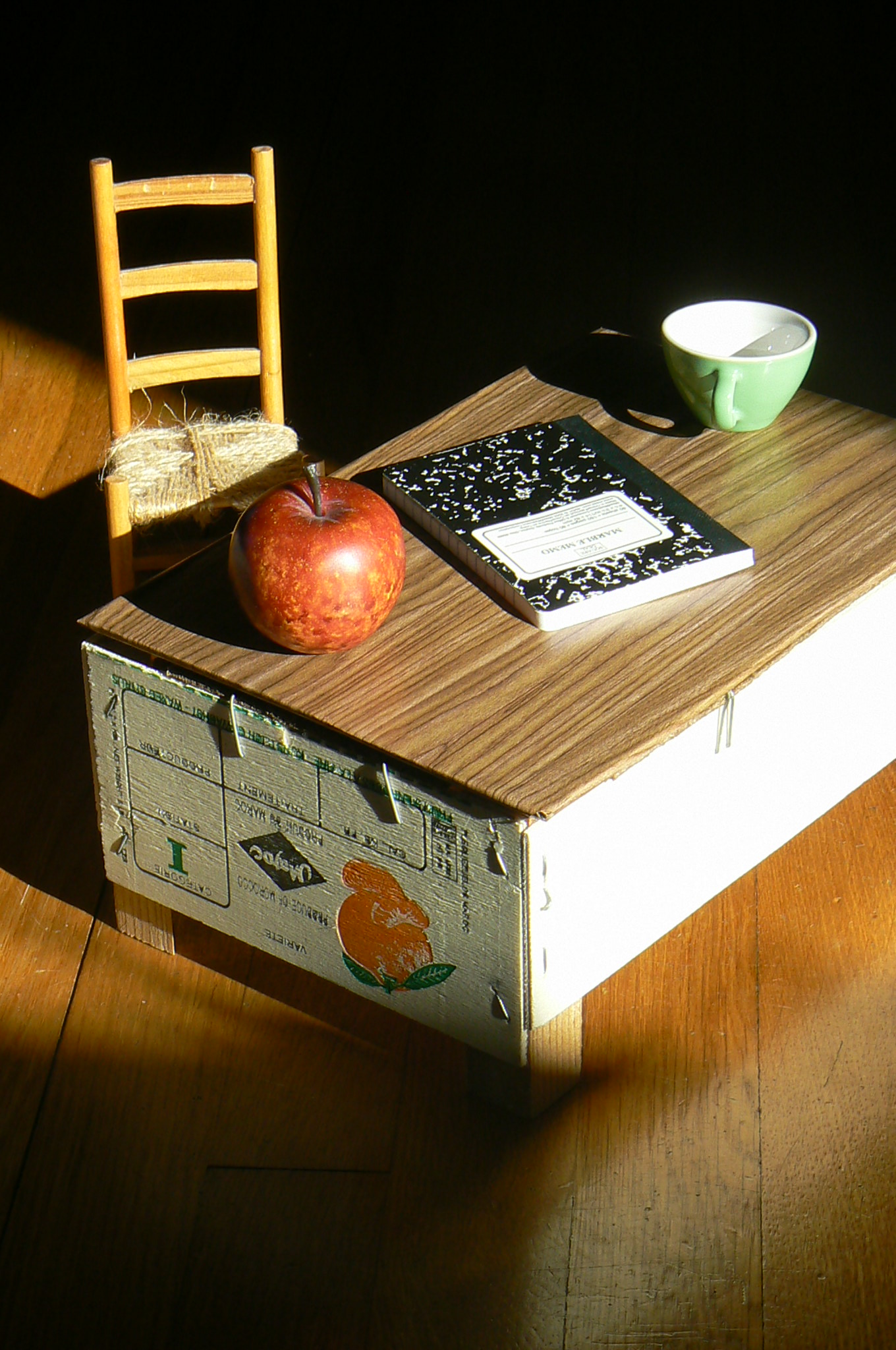
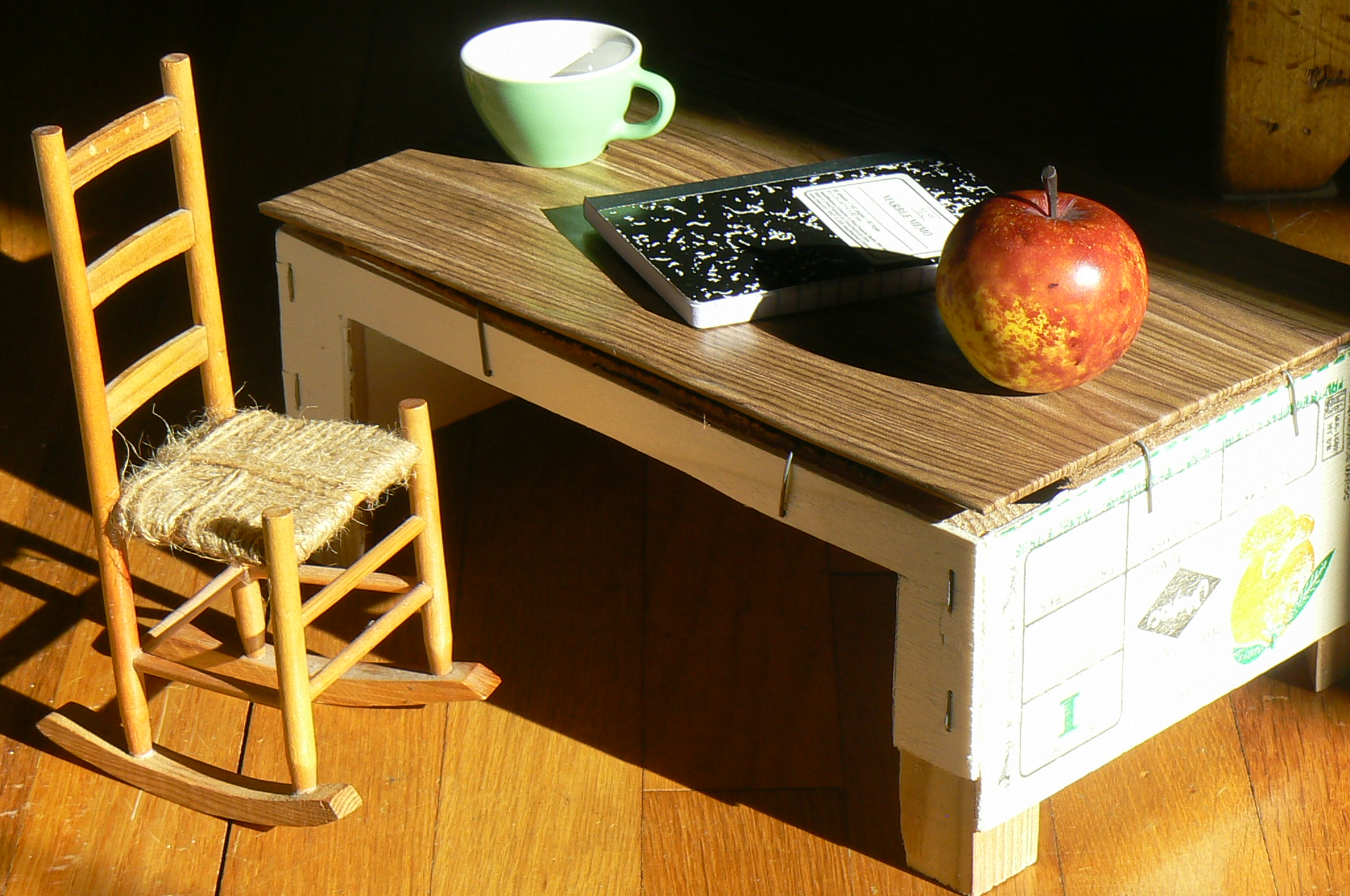
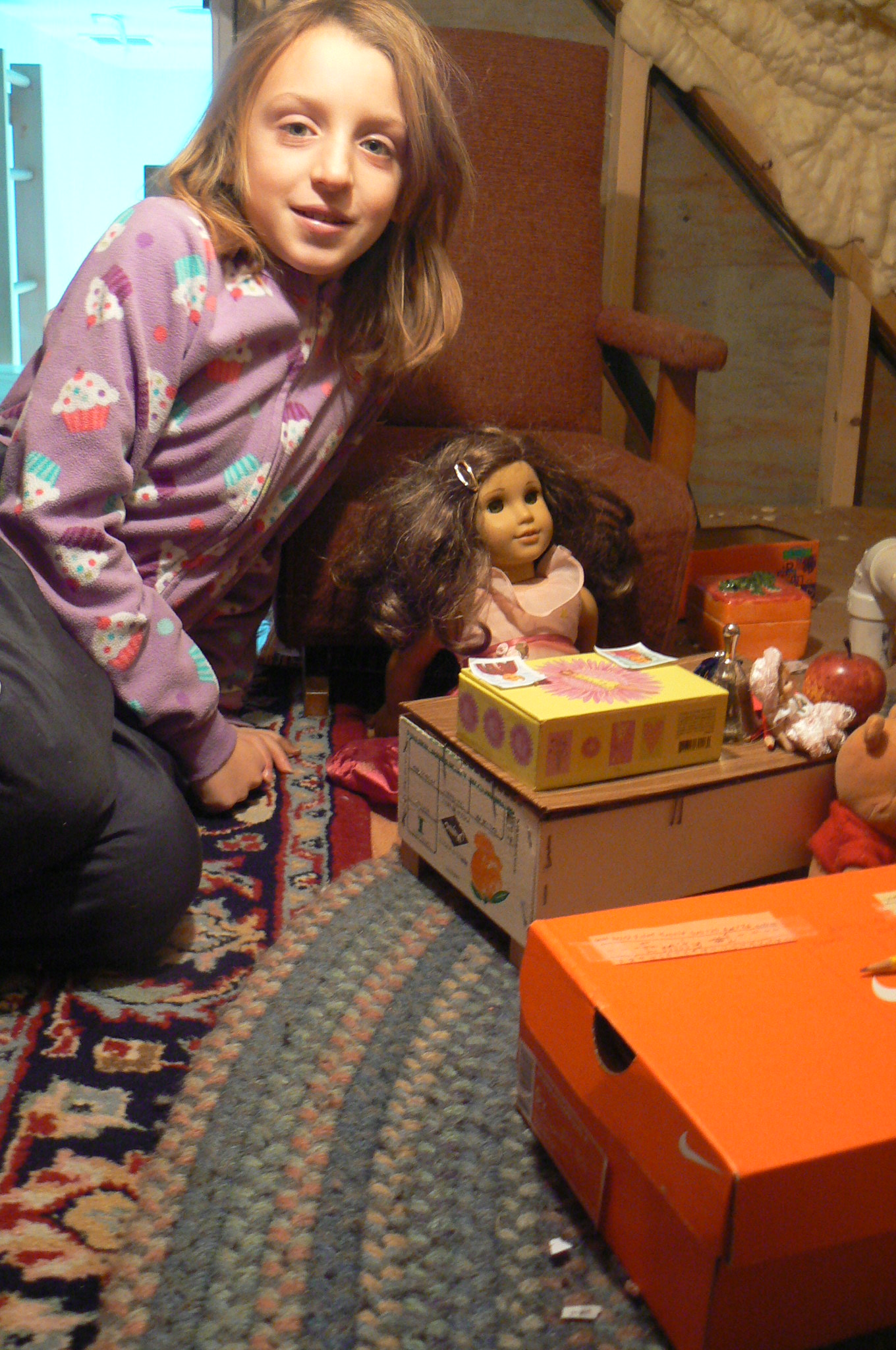
My first idea was to make a miniature school desk for my friend’s daughter Addie, who has set up an entire educational system for her American Girl dolls in her attic. And a desk made from a crate is the kind of Depression Era utility that Kit Kittredge would approve of!

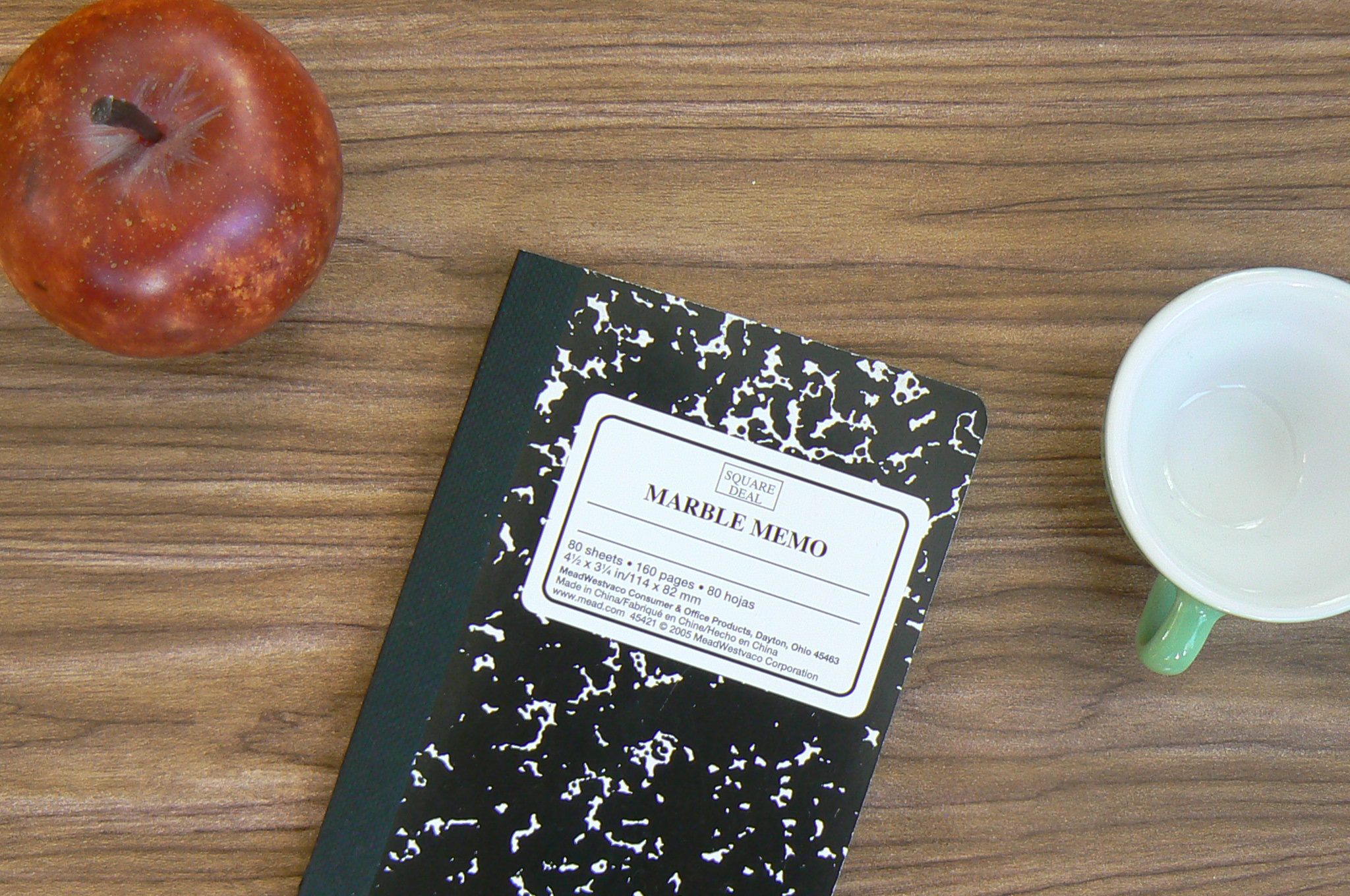
I cut a piece of cardboard to fit the bottom of the crate and covered the cardboard with wood grain contact paper. I adhered it with wood glue and let it sit overnight under the weight of Proust’s Remembrance of Things Past (meaning the emotional weight of my guilt in having never read it, plus its actual weight–but really, any heavy book will do). Then I cut a section out of the crate with an X-acto knife, to make room for Kit to sit. I added a couple of props (fake apple, mini composition book).


I like how the crate markings show on the ends. And here you can see the cut I made in one side.

Please share what you do with your clementine crates. Photos welcome!

postscript: Addie in her Doll School!

Washi tape

I put this sherbet-y assortment of washi tape on my Christmas list, and I’m sorry to say that despite a vigorous campaign of hinting, no one got the message. So, I will just mention it here.

I don’t know what I’ll do with it. I may just build a tape tower on my desk and look at it for a while. I first spotted it in the MOMA store (for a roll of ten, $30, $24 for MOMA members), but it’s also available at happy tape in polka dots & plaids. Not that you have to get it for me, but you could. . .

Origami paper sketches

I use origami paper (in solid colors) all the time, for cards and wrapping gifts, mostly.  But, I recently came up with the idea of using origami paper to test out ideas for quilts, and it is immensely gratifying.  All those late-night musings–what about a cross pattern? I wonder, instead of sleeping–I can now take for a quick test drive without touching my sewing machine. I try not to think or fuss too much when I put these sketches together–hoping for a happy inspiration. I haven’t found my perfect pattern yet, but here are some basic house top patterns with a cross in the center, for a little more interest, plus a fancy stripe. The crosses seem to make people think of disaster, but I still kind of like them.