One-Hour Pillow and Other (Small) Adventures

I curbed my craftiest ambitions this week after one of the fabric-painted robot tees that I made last week emerged from the washer: a smudged, sorry schmatte. What happened? I swear I followed directions (I think). And still here is this mottled t-shirt-now-dust rag. Tragedy. Or at least, very minor disappointment.  
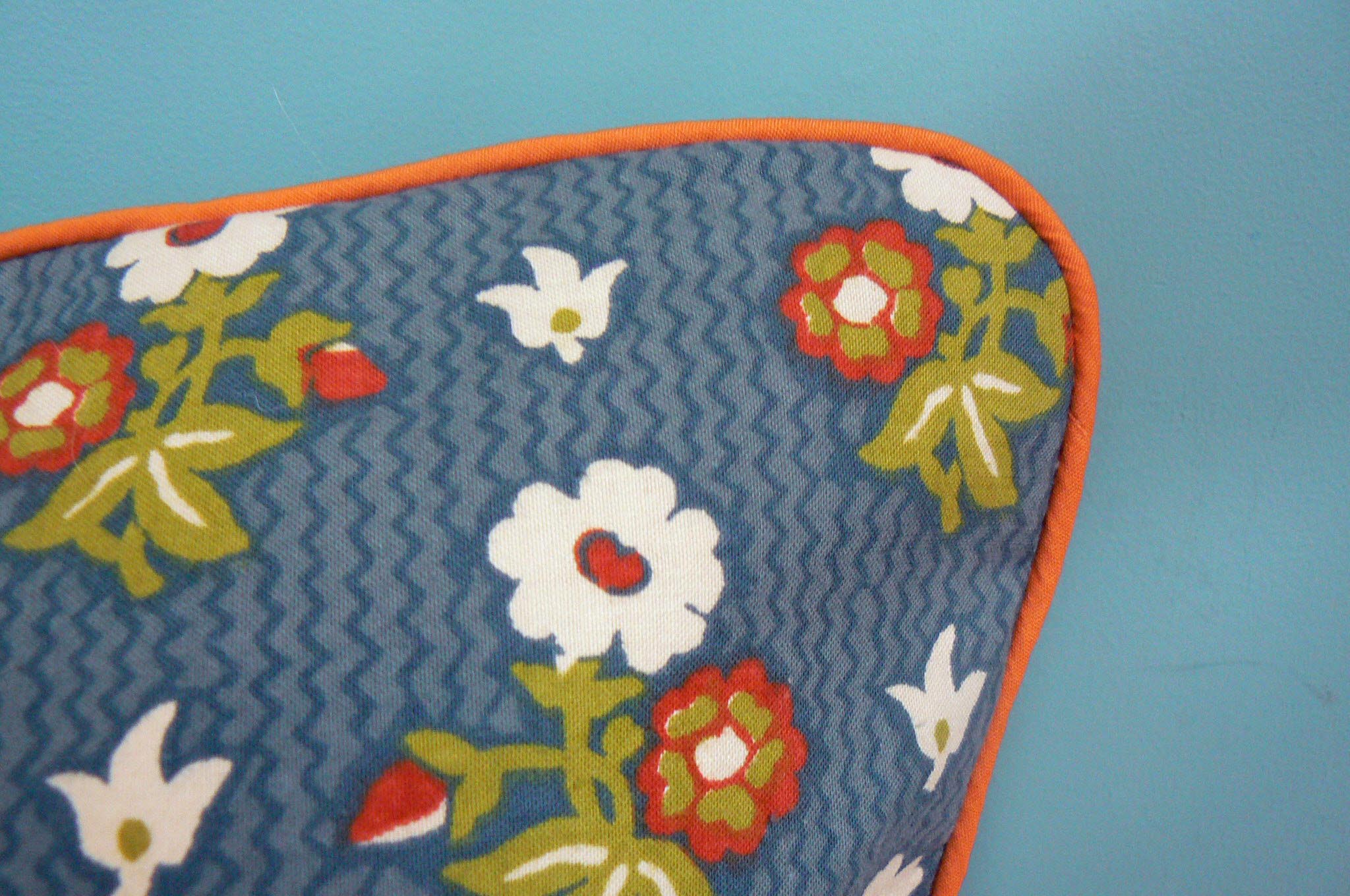
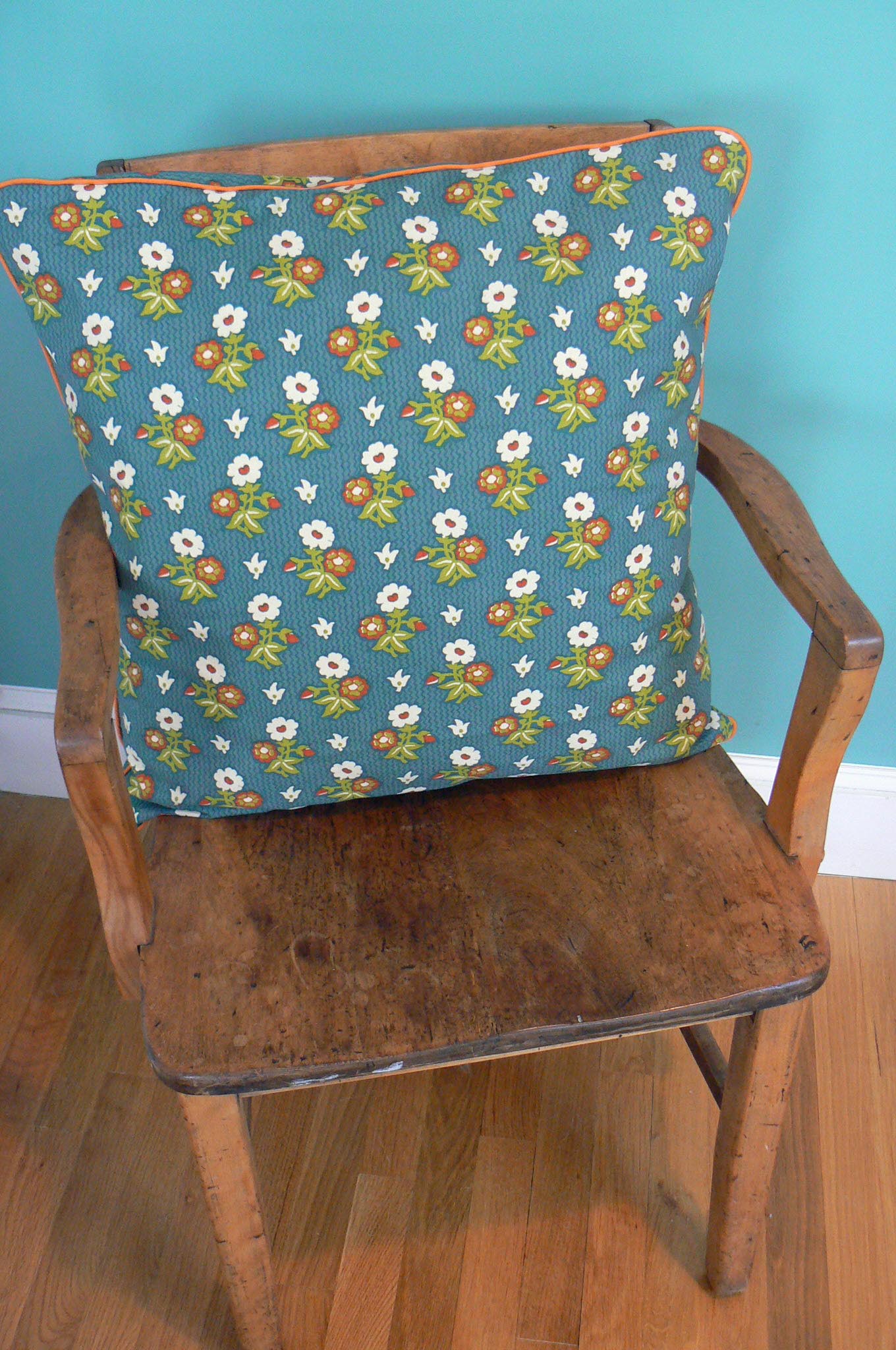
Moving on: I’ve been meaning to make a pillow cover with some of this flower print I bought at a yard sale. I had a 22 x 22″ pillow insert, low goals, and about one hour, so I stuck with an envelope-style enclosure. I (more or less) followed the instructions at Cottage Magpie, which I thought were very good with excellent, helpful photos. I’m actually really proud of the piping (which I bought pre-made–so why the pride?). But the piping was fun to sew (zipper foot!) and it gives the pillow its essential pillowness, I think.
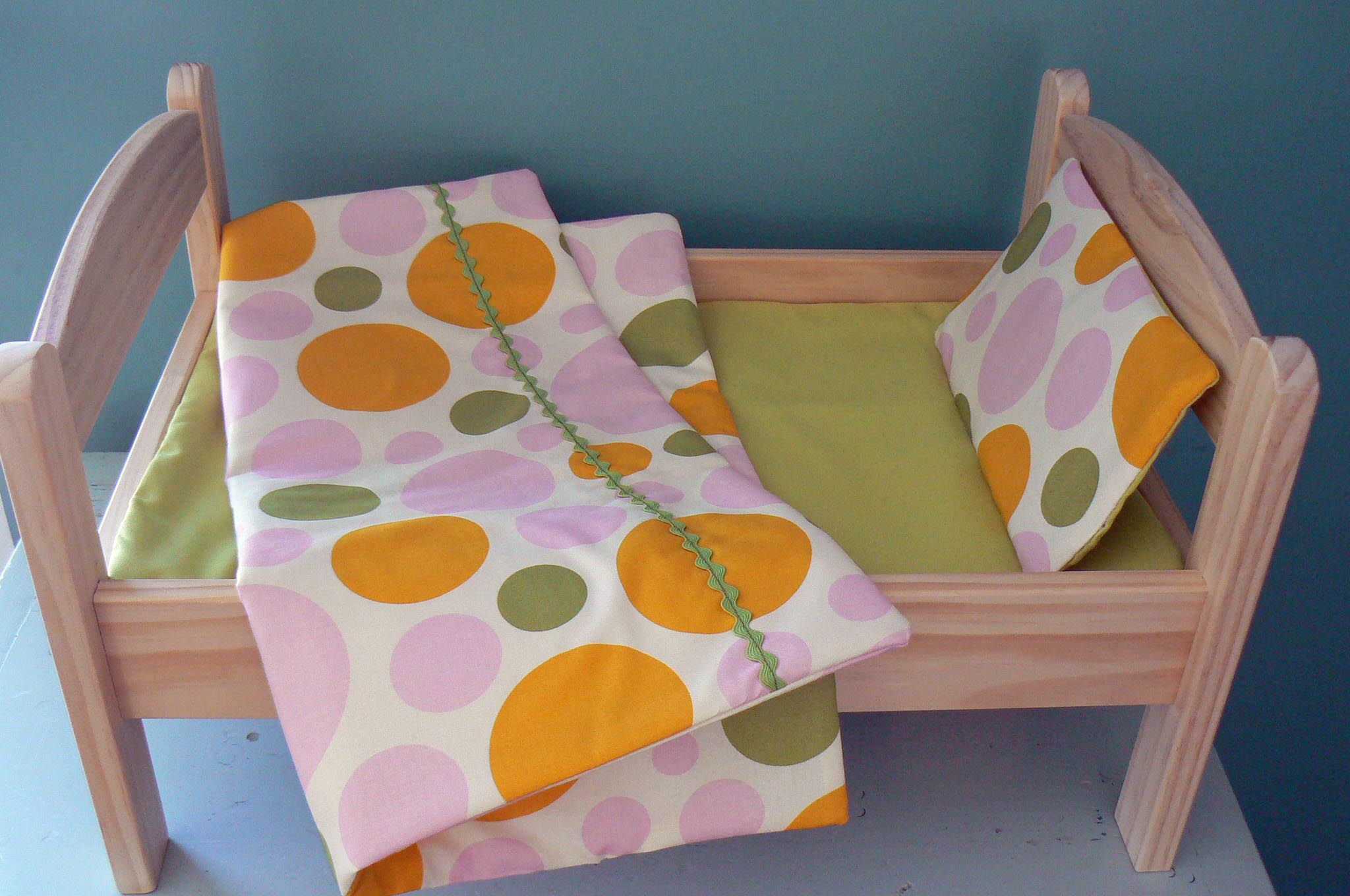
My other small adventure: sewing covers for the ugly blue mattress and pillow that came with the IKEA doll bed I bought for my neice and nephew. (Why does IKEA favor retina-searing shades of blue?) I also sewed a doll blanket to go on top. (For Boston locals: I bought the big polka-dot print from Fabric Corner, a sewing shop on the corner of Mass Ave. & Mill Street in Arlington, which has a lovely fabric selection & kind, friendly staff.) Following Brigit’s doll quilt post, I just sewed regular seams and turned inside out (although I added a layer of quilt batting and didn’t do the quilter’s knots).
 

But my biggest–and tiniest–achievement of the week? Figuring out how to do that tricky little stitch to close up seams. The stitch is sometimes called an invisible stitch, which makes it impossible to visualize, right? Whereas when the stitch is called a ladder stitch (visual here), it loses all its terrible mystery and becomes possible, and really not that hard.

Simple housetop placemats

If you’re new to quilting, placemats are a great way to test out designs and practice your skills on a small  scale. Tricky techniques like joining the two ends of the binding are hard to perfect if you only get to try it when you finish a full-size quilt.

I played around with some more complicated pattern ideas, but ended up with this simple housetop pattern in solid colors–which, creative ambition aside, is the type of pattern that appeals to me. I also applied some tips I picked up from Quilters’ Academy–a dreary looking but incredibly informative book that I checked out from my local library. Many recently published books on quilting focus on the fun side of the craft–making clean, modern designs–but breeze over some of the really nerdy aspects. Starch is not mentioned. However, a hardcore quilting tome like Quilters’ Academy, volume 1 (!), goes into minute detail about how to plan, measure, cut, and stitch. Whether you like intricate or super simple patterns, getting these steps right can make even a small project like a placemat turn out just like you envisioned. I made the backs in a simple stripe pattern.

Report from the Armory

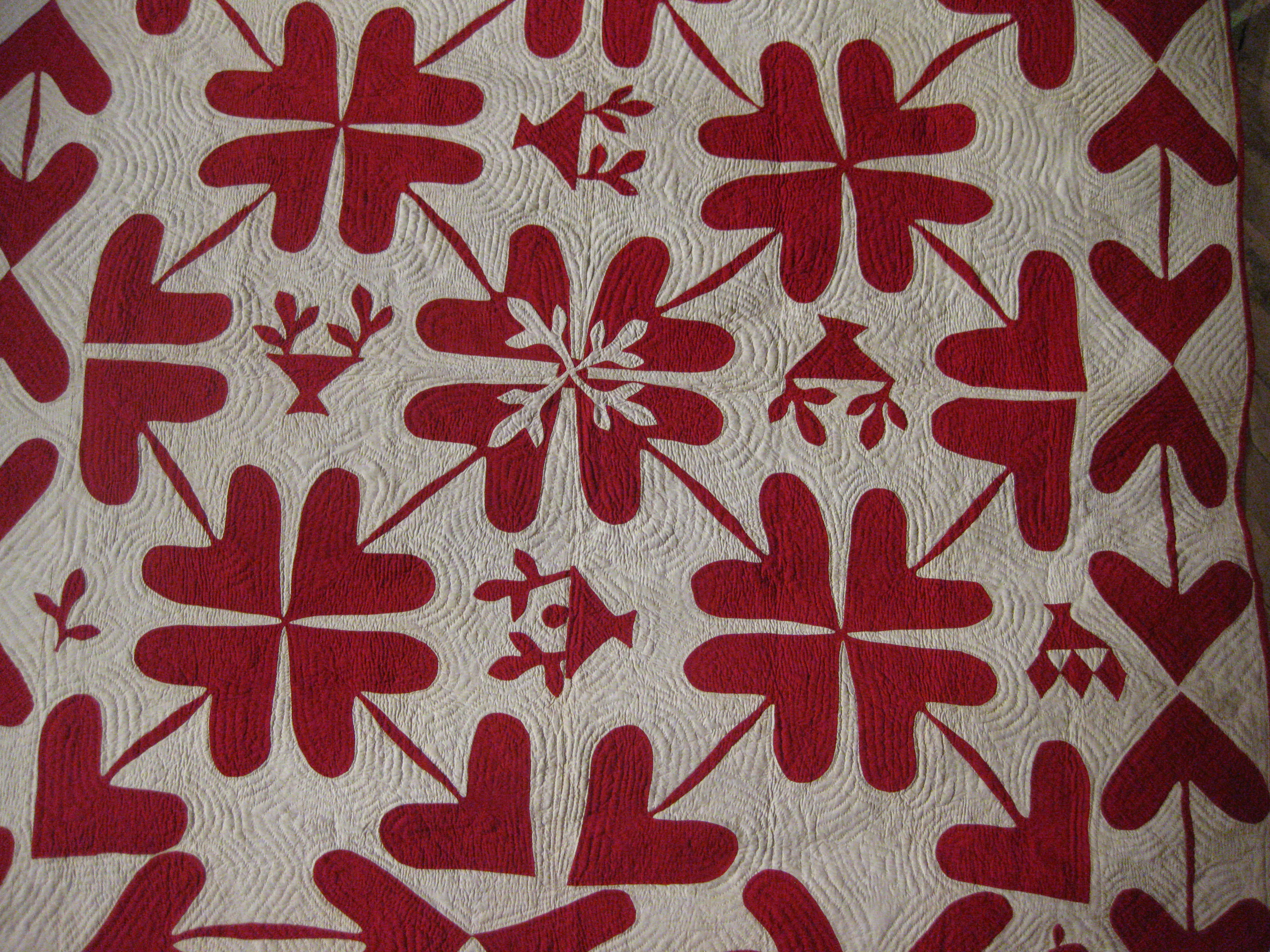
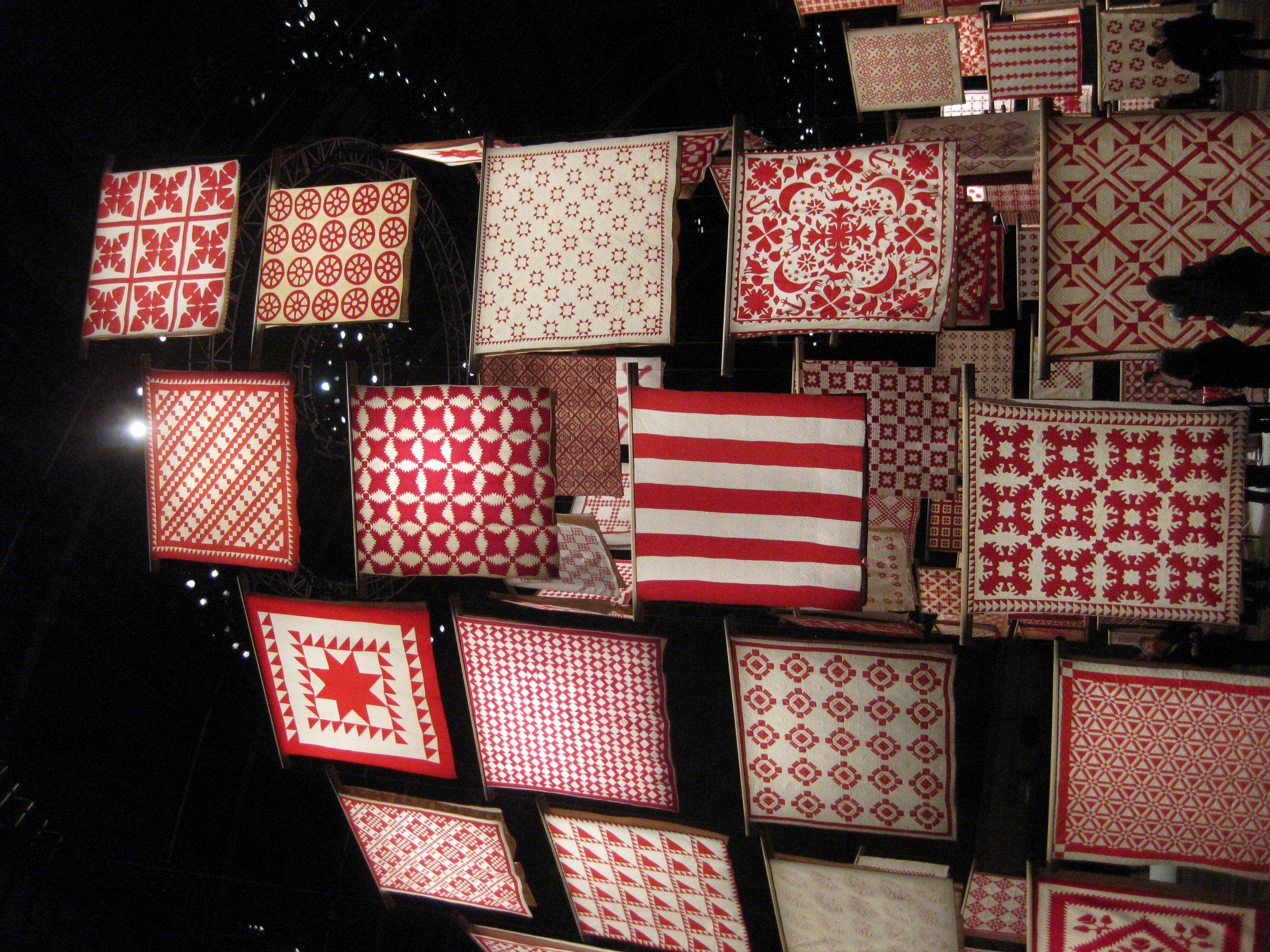
I took a day off work on Monday to go to the red-and-white quilt show at the Armory, thinking it would be a nice quiet day. I was not prepared for the busloads, literally, of ladies coming to town especially for this show. The quilts, particularly the way they were displayed, hanging back to back up to the rafters of the massive Armory, were stunning, and a little overwhelming. The curator cleverly arranged the quilts in circular “rooms” so you could also take in smaller groups at a time. Almost as interesting were the attendees. The average age was about 65, and many came as part of a tour, with their friends or quilting clubs. I overheard many women who had visited the show several days in a row. There was no idle chit chat; these women were there to talk about quilts, period.

Walking around, I felt a little bit like when I blithely signed up for swim camp in middle school because I liked to swim, for fun. I found myself swimming laps for five hours a day with all-state athletes in serious training. I came home with a chipped front tooth (racing dives) but in tip-top shape. Just like the girls at swim camp, the quilters were a friendly bunch, and they were happy to chat about techniques and patterns with us novices. One woman very kindly explained reverse applique to me and one of the very few gentlemen in attendance. I think he just wandered in, the exhibit was free after all, and found himself awash in ladies and decided to stick around.

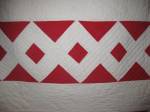
The exhibit was true to its name; the quilts ranged from intricate to bold graphics, and there were some very sweet sailing ships, houses, and airplanes. I’ve included details from just a few of my favorites.

Freezer Paper Stencils: VW Bus Pillowcases

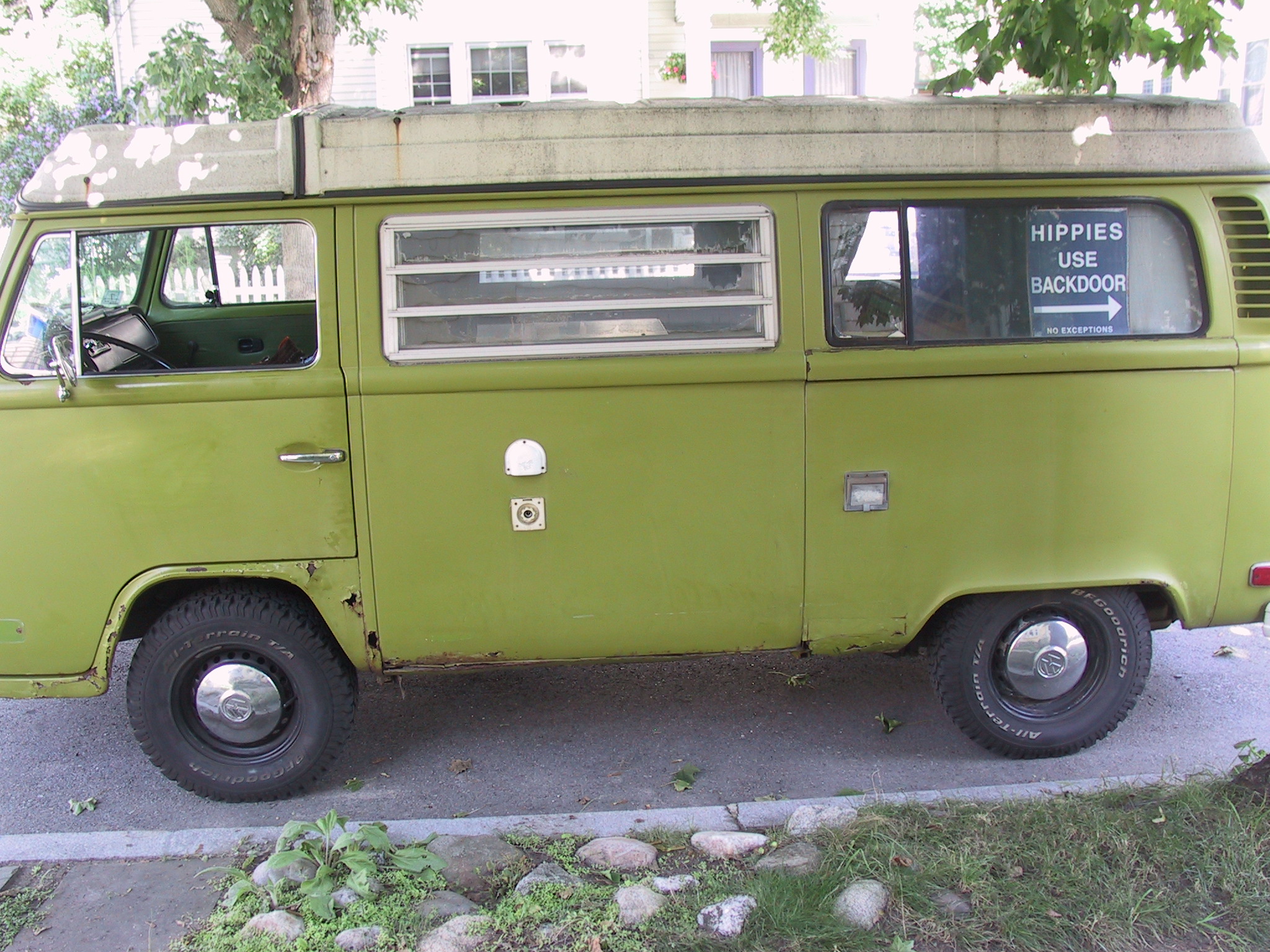
Punch buggy. (Or in this case, Punch bus.) Spring is here & so is the VW bus parked outside my house. (The sign in the window says: Hippies Use Backdoor.)

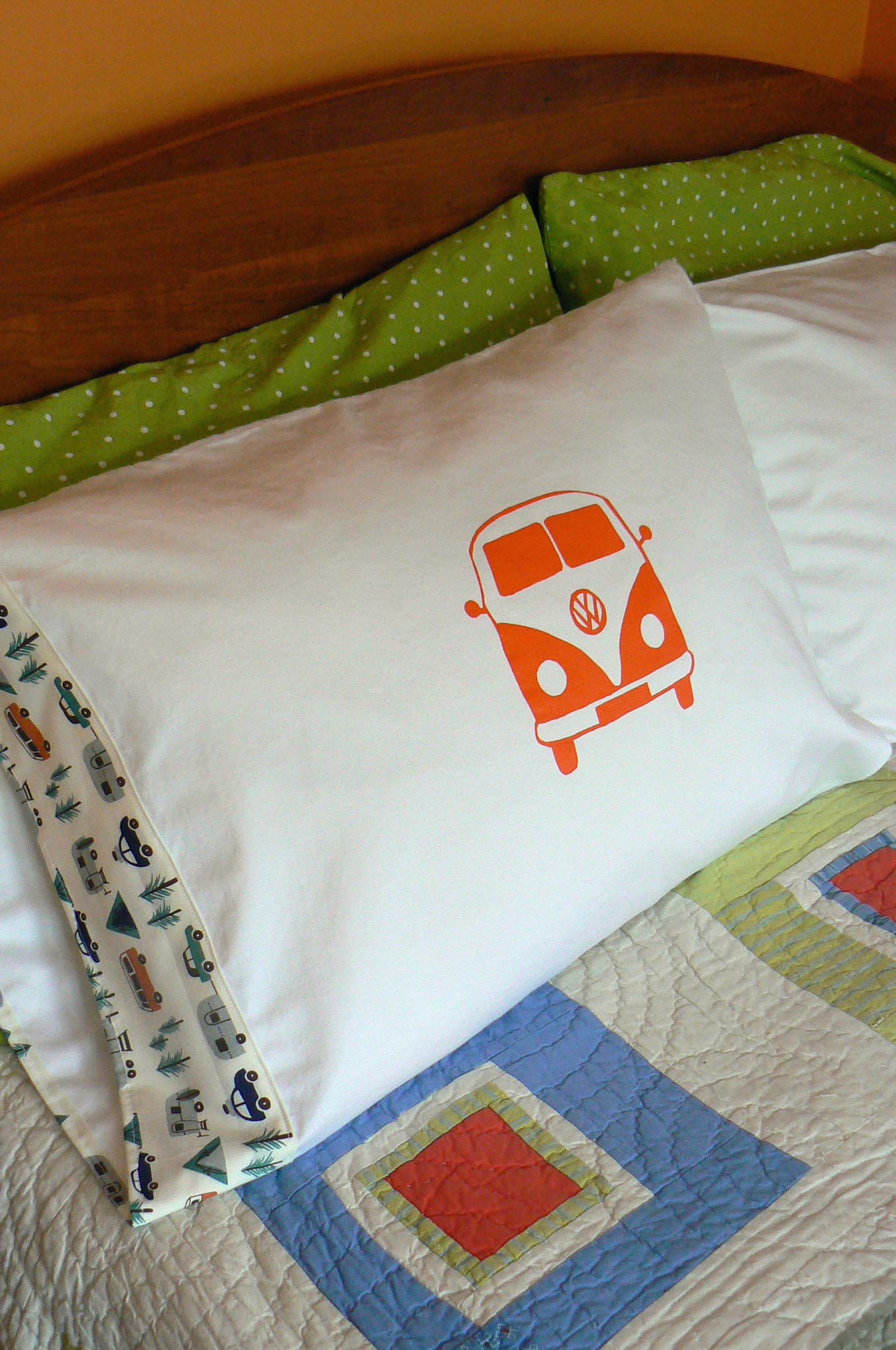
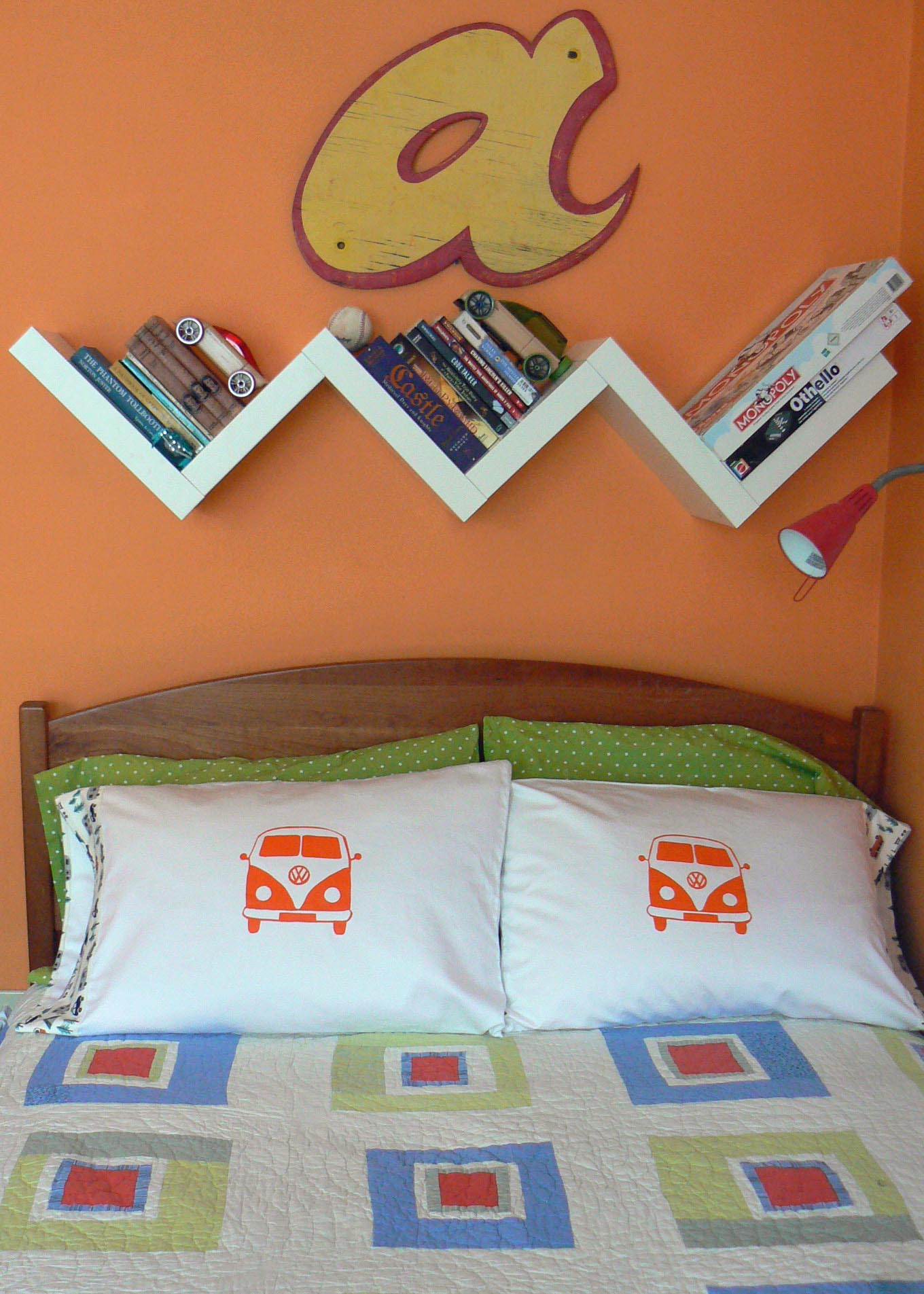
So in honor of the reappearance of spring and VW buses, I decided to give some old white pillowcases new life. Plus I wanted to make something for my 11-year-old who is easily embarrassed by T-shirts proclaiming anything, let alone T-shirts homemade by his mother, so I figured pillowcases were a safe zone, free from 5th grade peer review.

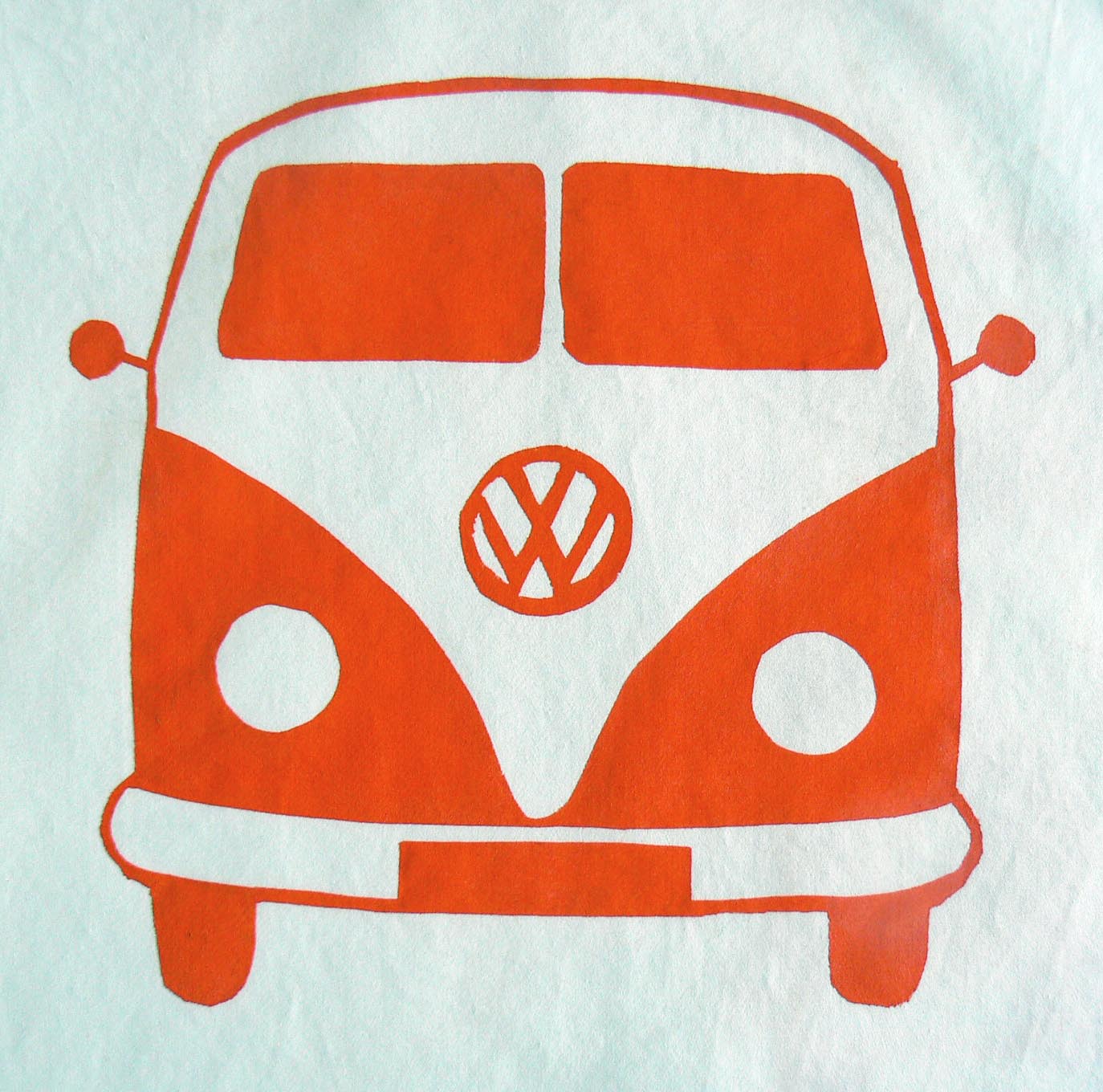
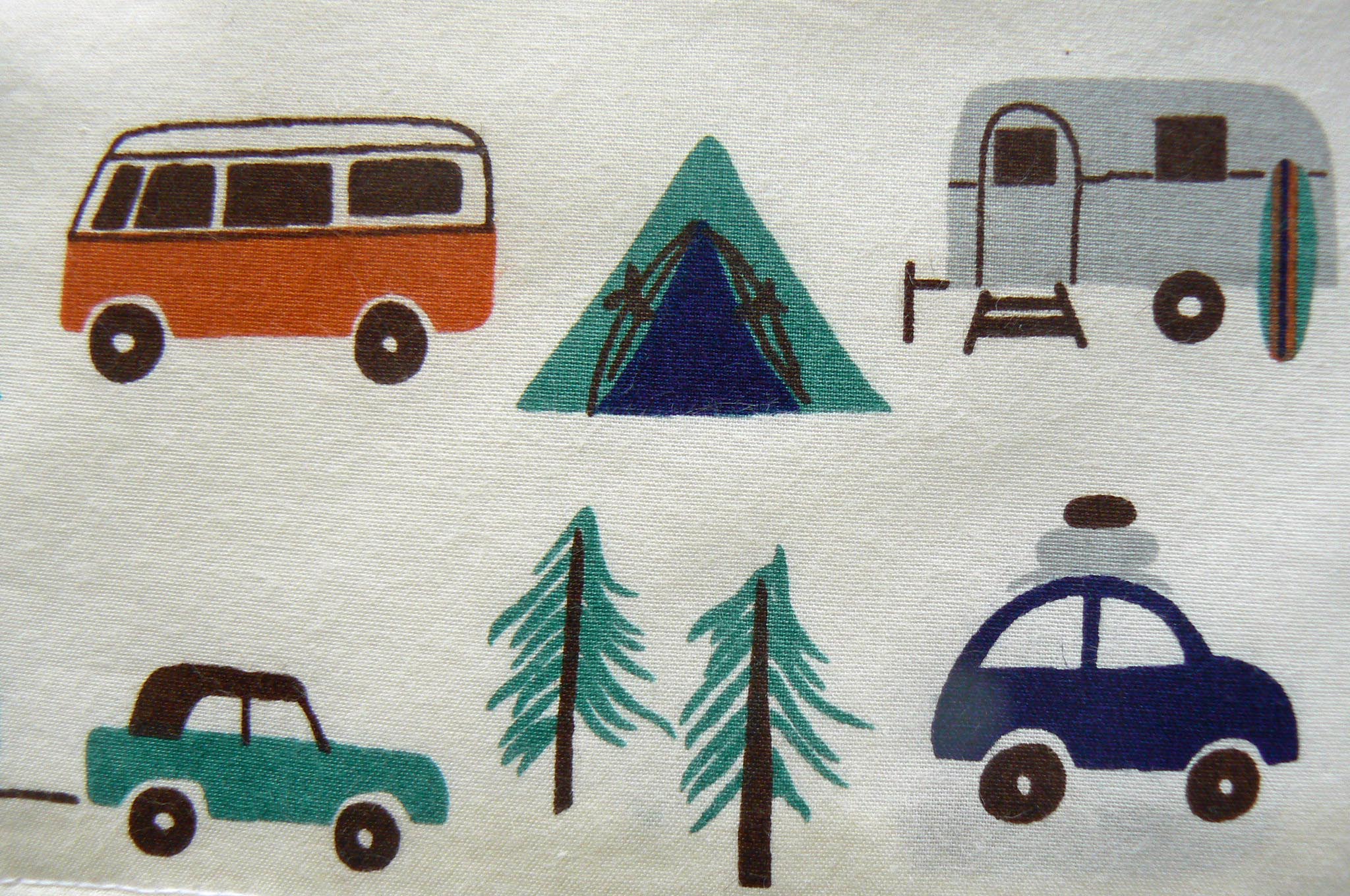
I cut a stencil on freezer paper from an image of a VW bus that I downloaded online. As I’ve mentioned before, freezer paper stencils are wicked easy & satisfying. Here is the complete how-to. To trim the pillowcases, I bought a half a yard of Happy Camper fabric from the Monaluna Circa 60 Beach Mod line for Birch Fabrics (available at Fabricworm). I should’ve bought a yard, but I was too cheap ($8.25 for half a yard!). It’s organic, alas.

 (The print is darker than how it appears on Fabricworm.)

No room for error. The pressure was on! I sewed the fabric directly onto the existing pillow trim (I split the seam for the trim–but not the rest of the pillowcase–to make it easier to sew). For the edge that you see on the outside of the pillowcase, I folded 1/4″ of the fabric, ironed, and sewed as close to the edge as I could. For the hem inside of the pillowcase, I folded 1/4″ over twice to completely encase the raw edge. Not sure if this is the best way to add trim, but it looks decent and adds a pleasing weight to the end of the pillow.

Freezer Paper Stencils: Robot Tees

Handsman, this silver-painted robot with the high-tech egg-carton control panel, was constructed by my five-year-old’s preschool classmates, who are studying robots this month.  Handsman looms at over 4′ (taller than your average preschooler) and sports zippy yellow rubber gloves–hence, his handy name.

[photo thanks to Pauline & Amanda!]

To show my full support for robot curriculum everywhere, I decided to make some robot tees for my little guy with freezer paper stencils. Freezer paper stencils have a high fun factor: big on reward, low on effort. Here is the complete how-to. If you fret about drawing your own robot stencil, then download an image, print, and trace. To avert laundry tragedies, don’t forget to heat-set the paint after it dries.

Robot tees!