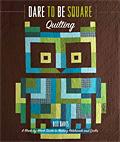
Dare to Be Square

Where have I been?? I’ve been crafting away but sadly cannot figure out how to download from my old camera to my new mac. So sad and frustrating. But I did make a gorgeous play mat for my friend who is expecting a baby in July. I modified the “Pokey the Play Mat” pattern from Boo Davis’s book Dare to Be Square. The colors are really appealing for a baby–bright but not harsh. Plus, I had almost all the same fabrics that she used, on hand–scary! Her pattern has a cute snail face; mine is just the log cabin square. Why? Because I don’t like snails. Sorry garden molluscs.

I highly recommend this book if you are looking  for a modern approach to quilting. Boo Davis makes heavy metal inspired quilts (really), so go figure. But she still respects the skills and traditions of old-fashioned quilting, which is a really appealing mix. I also like how she uses simple, traditional patterns, like a log cabin, and transforms them with the use of color and clever graphic design to make something totally modern. She also has a wicked sense of humor.

Simple housetop placemats

If you’re new to quilting, placemats are a great way to test out designs and practice your skills on a small  scale. Tricky techniques like joining the two ends of the binding are hard to perfect if you only get to try it when you finish a full-size quilt.

I played around with some more complicated pattern ideas, but ended up with this simple housetop pattern in solid colors–which, creative ambition aside, is the type of pattern that appeals to me. I also applied some tips I picked up from Quilters’ Academy–a dreary looking but incredibly informative book that I checked out from my local library. Many recently published books on quilting focus on the fun side of the craft–making clean, modern designs–but breeze over some of the really nerdy aspects. Starch is not mentioned. However, a hardcore quilting tome like Quilters’ Academy, volume 1 (!), goes into minute detail about how to plan, measure, cut, and stitch. Whether you like intricate or super simple patterns, getting these steps right can make even a small project like a placemat turn out just like you envisioned. I made the backs in a simple stripe pattern.

Report from the Armory

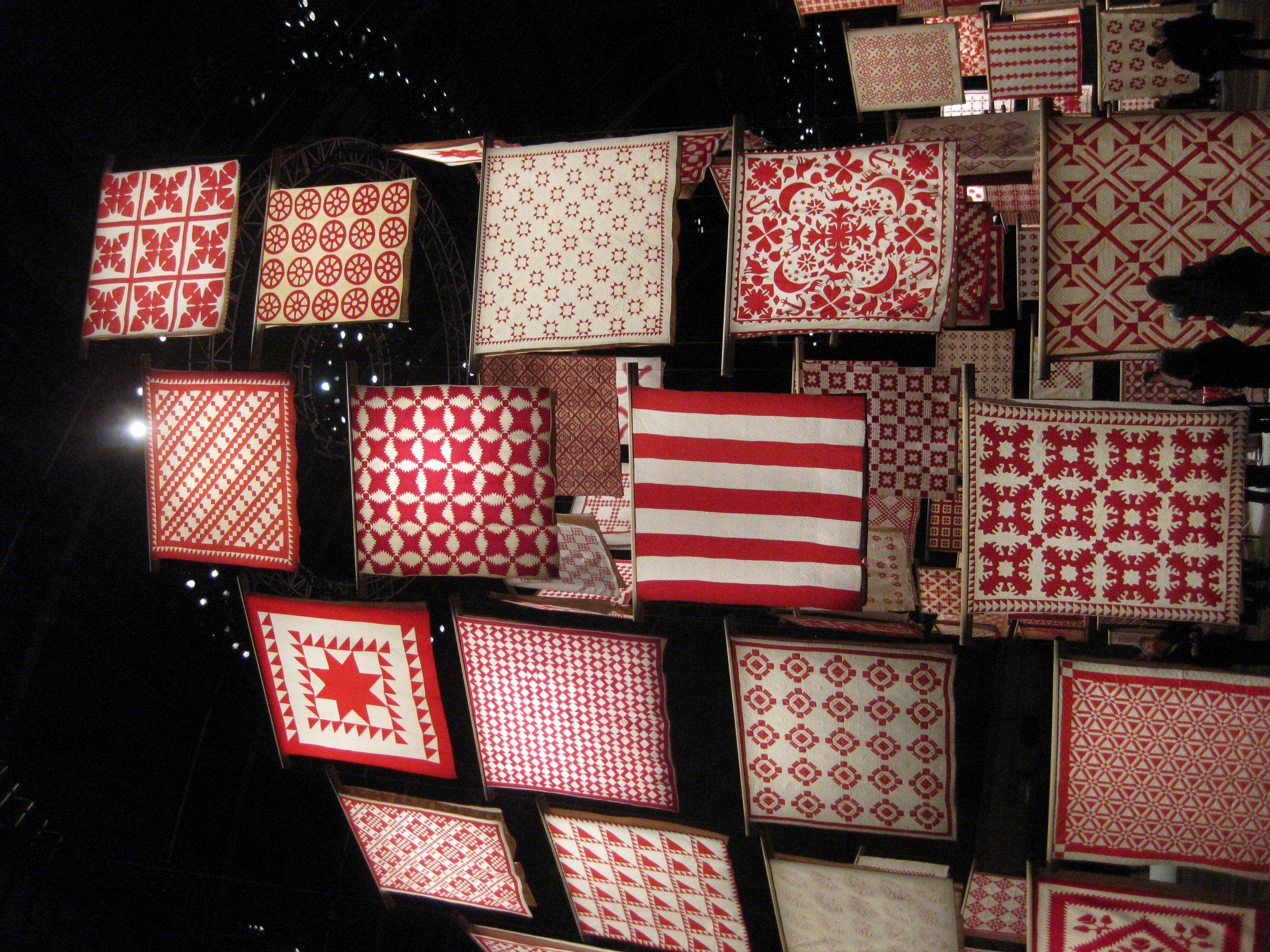
I took a day off work on Monday to go to the red-and-white quilt show at the Armory, thinking it would be a nice quiet day. I was not prepared for the busloads, literally, of ladies coming to town especially for this show. The quilts, particularly the way they were displayed, hanging back to back up to the rafters of the massive Armory, were stunning, and a little overwhelming. The curator cleverly arranged the quilts in circular “rooms” so you could also take in smaller groups at a time. Almost as interesting were the attendees. The average age was about 65, and many came as part of a tour, with their friends or quilting clubs. I overheard many women who had visited the show several days in a row. There was no idle chit chat; these women were there to talk about quilts, period.

Walking around, I felt a little bit like when I blithely signed up for swim camp in middle school because I liked to swim, for fun. I found myself swimming laps for five hours a day with all-state athletes in serious training. I came home with a chipped front tooth (racing dives) but in tip-top shape. Just like the girls at swim camp, the quilters were a friendly bunch, and they were happy to chat about techniques and patterns with us novices. One woman very kindly explained reverse applique to me and one of the very few gentlemen in attendance. I think he just wandered in, the exhibit was free after all, and found himself awash in ladies and decided to stick around.

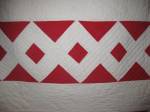
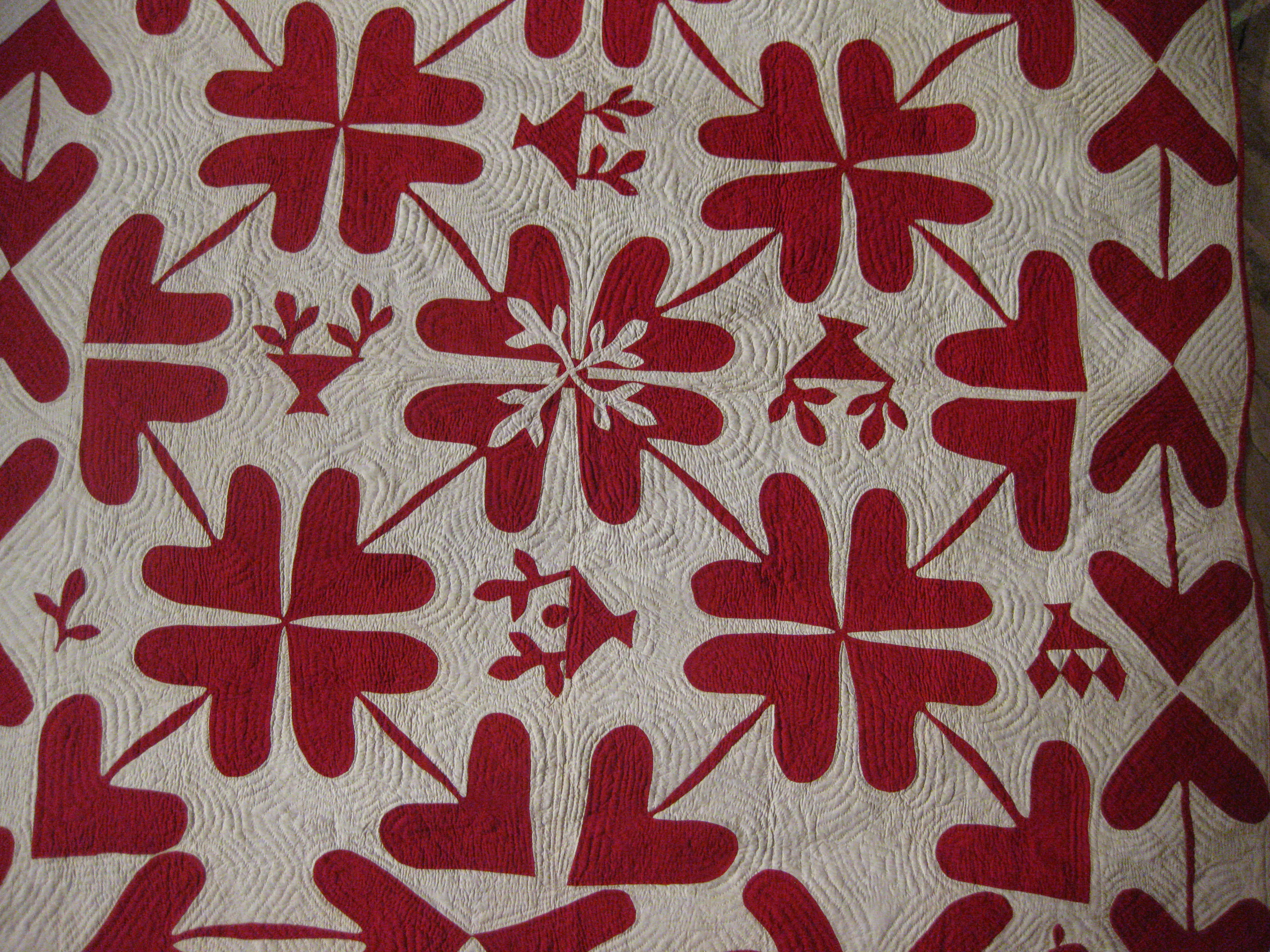
The exhibit was true to its name; the quilts ranged from intricate to bold graphics, and there were some very sweet sailing ships, houses, and airplanes. I’ve included details from just a few of my favorites.

Liesl Gibson Crafternoon!

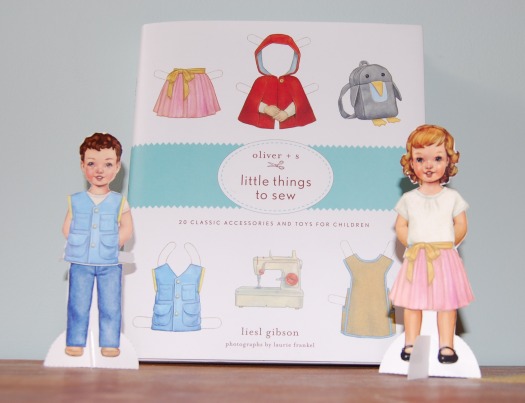
The New York Public Library (42nd Street) hosts a crafternoon one Saturday each month. The program draws some luminaries of the crafting world, and fills the room with interesting crafty people. I went to one last year with Denyse Schmidt, Heather Ross, and Liesl Gibson. Liesl taught us how to make little sail boat ornaments out of walnut shells, provided the supplies, and set us loose. On April 2nd from 2 to 4, Liesl Gibson will be hosting again and talking about her new book Little Things to Sew. I would have already bought this book if my daughter did not have a “secret” plan to buy it for my birthday.  I think she really wants the paper doll accessories from the dust jacket (pictured above), but she is genuinely pleased as punch with her birthday surprise (as am I).

There will be supplies on hand for participants to make something. The event is free, but be sure to arrive early as the events are really popular. I bet there might just be a raffle, too. (As a side note, I enter more giveaways and online contests than I care to mention. Ask me to comment for a chance to win some buttons and I do it. My compulsion has a sort of scary sweepstakes, coupon cutting, green stamps aspect to it. Does anyone else suffer from giveaway-itis?)

Squeaks!

Yesterday, my daughter and I were in search of a fun project, so we took a look through my copy of Martha Stewart’s Encyclopedia of Sewing and Fabric Crafts. We found hand-drawn stuffed creatures and had to make one. We used wool felt in two colors, wool stuffing (which has a delicious sheepy smell) and some embroidery thread. First we cut out two pieces of felt in the shape of the body, made the ears (we added a small dart to give the ears a little shape), and made and stuffed the legs and arms. Next, my daughter drew the face right on the felt with a pencil and I embroidered the design. She cut out the tummy shape and I sewed it on using the machine. Then, we sewed the ears, arms and legs to the right side of the back facing in. Then, we sewed the front and back right sides together, leaving a hole for turning and stuffing. We flipped Squeaks right side out, filled her with stuffing, put in a little felt heart, and then sewed up the seam using an invisible stitch. We had a great time making Squeaks and were very pleased with the results!